Most facility owners know the pain points by heart: double-booked cages, players who no-show without warning, staff schedules that conflict, and hours of manual admin work that eat into time you'd rather spend developing players. None of that is unique to your facility, but all of it is fixable.
This guide walks through the core pillars of day-to-day management: scheduling and operations, staffing and training programs, maintenance and safety compliance, marketing and retention, and the financial side that keeps the lights on.
Key Takeaways
- Reliable scheduling eliminates double bookings and frees staff for player development, not admin work
- Age-appropriate programs with communicative coaches drive results and word-of-mouth growth
- Preventive maintenance and current waivers/insurance protect athletes and limit liability
- Marketing and retention tactics drive long-term profit as much as facility quality
Managing Scheduling, Bookings & Resource Allocation
Scheduling is the operational backbone of any baseball facility. Every cage, bullpen, coach, and camp session depends on an accurate, conflict-free calendar. Get this wrong, and customer trust, staff morale, and revenue all take a hit.
Prevent Double-Bookings with Real-Time, Online Scheduling
Manual booking through phone calls, texts, or spreadsheets works fine when you have one cage and one coach. It breaks down fast once you're tracking multiple cages, rotating instructors, and team rentals all at the same time.
Real-time online booking lets parents, players, and coaches self-serve around the clock. That means:
- Fewer phone calls interrupting front-desk staff during peak hours
- Instant visibility into which slots are actually open
- Lower no-show rates because bookings are confirmed and tracked automatically
Manage Multiple Cages, Coaches & Recurring Bookings
Once you're running more than a couple of resources, you need software that treats each cage, turf lane, and coach as its own bookable unit. Multi-resource scheduling tools let managers assign specific cages or pitching tunnels, track which coach is free when, and set up recurring bookings for teams or camps without conflicts creeping in.
A multi-cage academy that starts with nine batting cages and later adds lessons, camps, packages, and memberships needs the same flexibility: customers should reserve one cage or a block of cages without the front desk playing traffic controller.
Offer Flexible Membership & Pricing Options
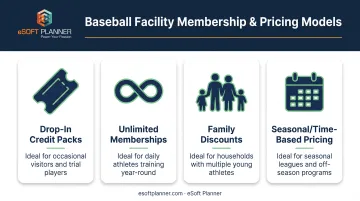
Different customers want different commitment levels. Facilities that offer only one pricing model leave money on the table. Common structures include:
- Drop-in credit packs for occasional users who don't want a membership
- Unlimited memberships for regulars who train multiple times a week
- Family discounts for households with more than one athlete
- Time-based or seasonal pricing that flexes with off-season and in-season demand
Booking, memberships, payments, and staff schedules work best in one system—not five disconnected tools. eSoft Planner was built by founders who ran their own sports training facility, so it reflects how cages, lessons, and camps actually get booked day to day:
- A la carte modules so you pay only for features you use
- Flat subscription pricing that does not rise with headcount or membership growth
- A dedicated customer success manager who configures the setup around your operation
When those pieces run together, staff spend less time on data entry and more time on the floor—and you stop leaking revenue to no-shows, gaps in the calendar, and one-size-fits-all pricing.
Building and Managing Your Coaching Staff & Training Programs
Facility quality gets people through the door once. Coaching quality and program structure are what bring them back season after season.
Hire and Retain Qualified Coaches
Look beyond a playing résumé. The coaches who retain players well:
- Have real playing or coaching experience at a relevant level
- Communicate clearly with both players and parents, not just athletes
- Actively pursue ongoing professional development rather than coasting on past experience
A positive, feedback-driven environment keeps your best coaches on staff. That consistency is what players and parents notice season after season.
Structure Programs by Age and Skill Level
A one-size-fits-all program shortchanges both your youngest athletes and your most advanced ones. Instead, offer a mix:
- Individual lessons for focused skill correction
- Small-group training for peer-paced development
- Team practices for game-speed reps
- Seasonal camps and clinics for broader skill exposure
Apply Proven Baseball Training Tips Across Programs
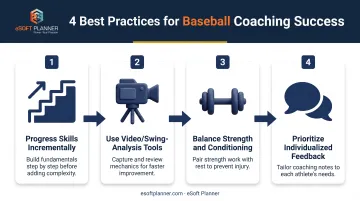
According to USA Baseball's 2017 development plan, the Long Term Athlete Development framework stresses age-appropriate physical literacy, delayed single-sport specialization, and skill progression tied to maturity level—not just birth year. Build your programs around that same logic:
- Progress skills incrementally rather than jumping athletes into advanced drills before they're ready
- Use video or swing-analysis tools to give players visual feedback they can't get from verbal cues alone
- Balance skill work with strength and conditioning that's appropriately supervised for the athlete's age
- Prioritize individualized feedback over generic group drills that don't address specific weaknesses
Reduce Miscommunication with Clear Staff Scheduling and Permissions
Nothing damages a facility's reputation faster than a coach and a parent showing up for a lesson that got double-booked or quietly canceled.
Role-based staff permissions keep coaches, front-desk staff, and admins on the same accurate information. Coaches see their own schedules. Admins keep visibility into financial and registration details.
Automated email or text reminders close the loop: they confirm bookings and flag reschedules before those gaps turn into no-shows.
Facility Maintenance, Equipment & Safety Compliance
Safety and equipment quality affect athlete well-being and your liability exposure in equal measure. Treat both as a standing management priority, not a cost to trim.
Cheap or worn equipment fails more often. Replacement cost plus injury liability almost always outweighs buying durable, safety-rated gear up front.
Build a Preventive Maintenance Routine
Follow a consistent inspection schedule for core equipment:
- Netting and L-screens: Inspect for holes, fraying, and frame wear—L-screens take heavy impact
- Pitching machines: Clear dust and debris from moving parts after each use
- Synthetic turf: Check daily for debris, low infill, and open seams that need repair
Per the Synthetic Turf Council's maintenance guidelines, budget roughly one maintenance hour for every 10 playing hours.
Keep Waivers and Insurance Current
Digital, timestamped liability waivers collected automatically at signup or booking eliminate the risk of paper forms getting lost or forgotten. eSoft Planner supports digital waiver collection as a required step before a client can book, storing signed waivers with the client record instead of a filing cabinet.
On the insurance side, most facilities need to maintain:
- General liability coverage for participant injuries
- Property insurance for equipment, netting, and turf
- Workers' compensation once staff are hired
Review coverage periodically as your business grows, since requirements shift with added programs or increased traffic.
Stay Current on Zoning and Licensing
Zoning approvals, business licenses, and safety certifications deserve ongoing attention, not a one-time check at opening. Adding cages, changing occupancy, or renovating your space can trigger new permit requirements you weren't subject to before.
Marketing and Retaining Members Long-Term
Marketing doesn't stop once the doors open. Facilities lose members to competitors and plain attrition without ongoing outreach, so retention has to be treated as an active job, not an afterthought.
Build Local Partnerships
Convert community goodwill into bookings:
- Offer practice space to school or youth teams during off-hours
- Sponsor local leagues to keep your name visible to parents
- Host clinics or open houses that turn curiosity into paying customers
Stay Visible Between Visits
Keep the facility top of mind between bookings:
- Run a mobile-optimized website and an active social presence
- Use referral incentives and loyalty perks that reward rebooking
- Send quick check-in texts and train coaches to remember players by name
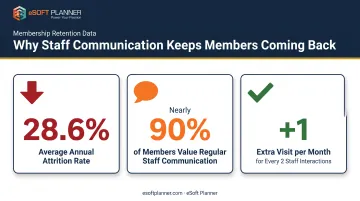
Those touchpoints matter because attrition is expensive. The health and fitness industry — a useful proxy for membership-based businesses — sees average annual attrition around 28.6%, according to IHRSA's research on retention.
The same research found that almost 90% of members valued regular staff communication, and every two staff interactions in a month correlated with an additional visit the following month. A short text or a coach who knows a player's name often does more for retention than most owners expect.
Financial Management: Pricing, Costs & Profitability
Facility owners want solid cost benchmarks, but a single number rarely helps. Build and renovation spend swings hard with location, lease versus purchase, turf quality, and equipment tier. Treat any headline figure with skepticism and budget these categories separately:
- Lease or purchase and code-compliant build-out
- Turf, netting, and cage structures
- Pitching machines and safety gear
- Lighting, electrical work, and technology systems
- Insurance, legal fees, and opening operating cash
Price for Profitability, Not Just Coverage
Set hourly rates, memberships, and packages by weighing:
- Fixed costs: rent, staff salaries, utilities
- Variable costs: equipment wear, instructor fees, per-session consumables
Pricing that only covers fixed costs leaves no margin when equipment needs replacing or usage spikes unexpectedly.
Use Reporting to Spot Revenue Leaks
Real-time reports on peak usage, occupancy, and revenue per resource replace end-of-month guesswork. Platforms with built-in reporting, including eSoft Planner, flag underused time slots and underbooked coaches without manual spreadsheet work.
That visibility lets you adjust pricing and staffing before a slow month hits the books, not after.
Frequently Asked Questions
How should I structure training programs at my facility?
Design progressive skill tracks by age and level, require coach feedback standards, and use video or swing-analysis tools in paid sessions. Pair technical work with age-appropriate strength and conditioning that your staff can supervise safely.
How much does it cost to build a baseball facility?
Costs vary widely based on size, location, and whether you're building indoor or outdoor. Budget separately for lease or construction, turf, cages and netting, pitching machines, and safety equipment—there is no single universal figure.
What's the difference between managing an indoor vs. outdoor baseball facility?
Indoor facilities require climate control, turf upkeep, and lighting maintenance but generate year-round revenue regardless of weather. Outdoor facilities carry lower overhead but face seasonal downtime that limits bookings.
How much does it cost to run a baseball training facility monthly?
Major recurring costs include rent or mortgage, staff payroll, utilities, insurance, and equipment upkeep. Track these against membership and rental revenue monthly to catch pricing or staffing issues early.
What software should I use to manage a baseball facility?
Look for all-in-one scheduling software that handles bookings, payments, memberships, and staff scheduling in one system. eSoft Planner is one option built for sports and activity-based businesses like baseball and softball facilities, with modular plans starting at $39/month.
How do I keep members and customers coming back to my facility?
Offer flexible membership options, referral and loyalty incentives, and consistent communication from staff. Clean, well-maintained equipment and spaces are often what decides whether they rebook.