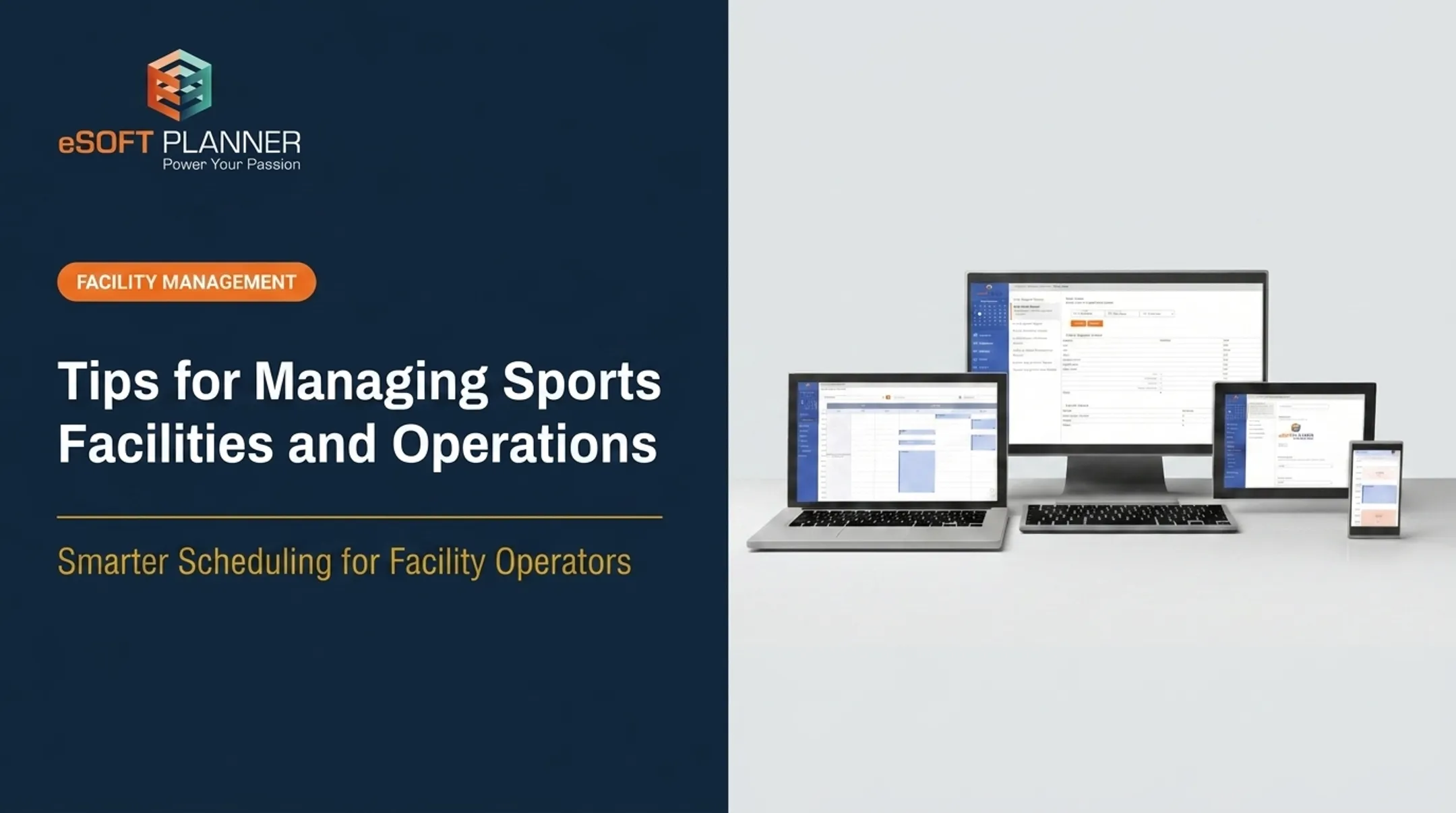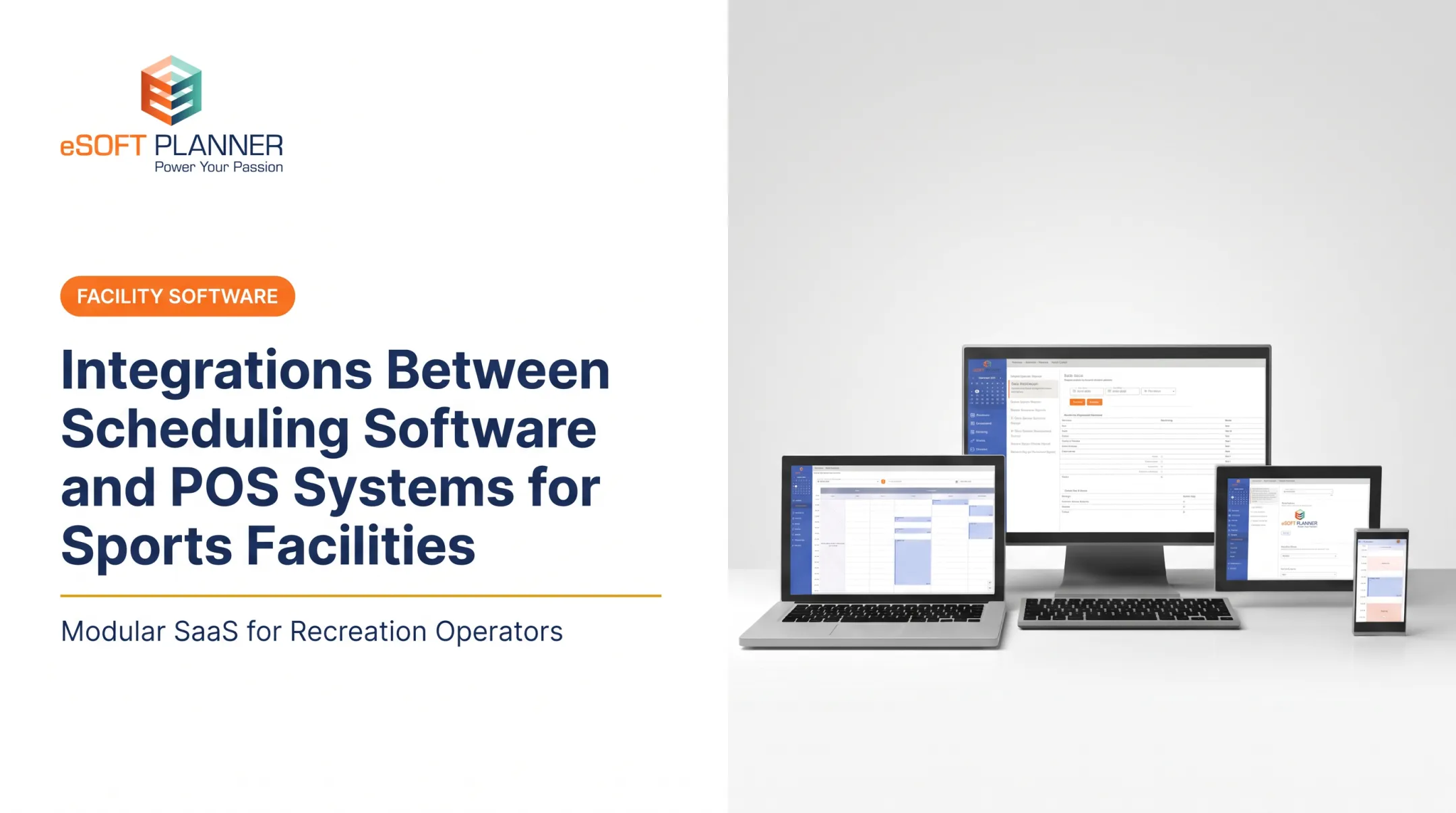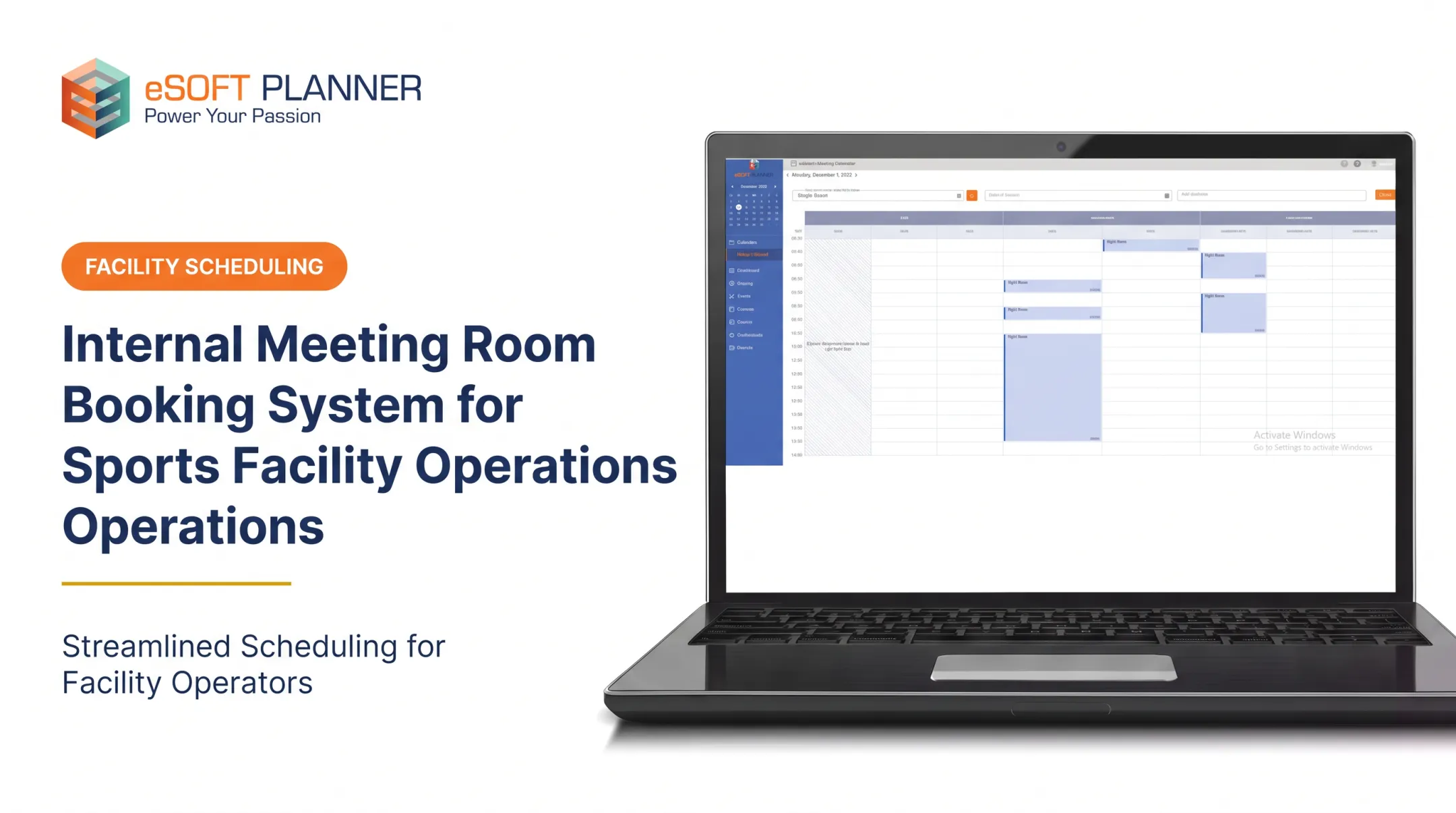

That approach cracks fast. Manual data entry and reconciliation eats up an average of 25 hours per week at small U.S. businesses with 10-99 employees, according to Intuit QuickBooks' 2024 Business Solutions report. For a sports facility, that's staff time that should go toward growth, not chasing down schedule conflicts.
Generic workflow apps like Jira or Asana were built for software and marketing teams, not court bookings, instructor scheduling, or membership billing. This guide breaks down what facility-specific workflow software actually does, the features worth demanding, and how to pick a platform that fits.
Key Takeaways
- Unify scheduling, staff management, and communication in one system—not tools stitched together
- Skip generic project tools; they rarely handle recurring classes or facility-specific resource allocation
- Eliminate double bookings, automate admin work, and keep costs flat as you add staff
- Pick modular, flat-rate pricing over per-seat models that penalize growth
What Is Team Workflow Management Software for Sports Facilities?
Workflow management software automates how tasks, bookings, staff assignments, and approvals move through a facility's daily operations. Instead of a manager manually checking instructor availability, confirming a court is free, and texting a parent about a schedule change, the system handles those steps automatically.
This differs from generic project management tools. Platforms like Jira and Asana organize tasks, deadlines, and team collaboration. That setup works for a software launch, not a pool schedule. They don't understand recurring class bookings, instructor certifications, or membership billing cycles because they weren't built for facilities.
Facility-specific tools solve a different problem: matching people, resources, and time slots in real time, then keeping everyone informed. They typically handle:
- Recurring class and lesson bookings
- Instructor availability and certifications
- Court, lane, and field assignments
- Membership billing cycles
- Automated parent and staff notifications
Example: A swim school books a private lesson. The system checks instructor and pool-lane availability at the same time, assigns both, and texts the parent a confirmation. If weather cancels the lesson, a mass notification reaches every affected family instantly instead of one-by-one front-desk calls.

Core Challenges Sports Facilities Face Without the Right Workflow Tools
Double Bookings and Scheduling Conflicts
Manual calendars and spreadsheets don't stop two coaches from booking the same court at the same time. Overlapping reservations trigger refund requests, frustrate parents, and leave instructors standing around with nowhere to teach.
The fix is a two-step validation check — confirming both instructor and space availability before a booking is ever confirmed. eSoft Planner runs that check automatically and enforces capacity limits with it. If a rink has 12 ice slots in a time block and 11 are taken, the system will not accept a 12th reservation until something cancels.
Fragmented Staff and Communication Gaps
When coaches use one app, front-desk staff use a whiteboard, and admins use email, something always falls through the cracks. A cancellation gets missed, or a schedule change never reaches the instructor.
Centralized communication tools close those gaps by:
- Sending automated alerts for new bookings, cancellations, and schedule changes
- Delivering daily itineraries to instructors so nobody shows up for a canceled session
- Posting dashboard alerts visible to every staff login
- Letting staff choose email or text for reminders
Manual Administrative Overload
Manual data entry eats facility time the same way it does in other service businesses. Every hour spent re-typing a registration form or confirming a booking by phone is an hour not spent coaching, selling memberships, or planning programs.
One eSoft Planner customer reported eliminating up to 20 hours per week of volunteer data-entry work by automating recurring registrations and payment collection.

Difficulty Scaling Operations
Adding a new program, location, or coach shouldn't mean renegotiating your software contract. Per-seat pricing climbs as headcount grows: Bain's 2025 analysis found roughly 35% of SaaS vendors raised per-seat prices, while 65% layered on usage-based fees. For a facility that hires seasonal instructors, those models get expensive fast.
Must-Have Features in Sports Facility Workflow Management Software
Not every scheduling tool is built the same. Here's what actually matters:
- Real-time online booking — Members and parents self-schedule 24/7 without calling the front desk, reducing phone tag and no-shows.
- Automated staff scheduling — Instructors enter their own availability, and the system assigns them alongside the right facility space in one step, preventing double-booked coaches.
- Configurable workflows — Group classes, private lessons, camps, and rentals each need different rules. A soccer academy running tryouts shouldn't use the same template as a swim club managing lane rentals.
- Integrated billing and payments — Recurring billing, PCI-compliant processing, and options like ACH reduce manual invoicing and keep cash flow predictable.
- Centralized communication — Automated reminders, waitlist alerts, and mass cancellation notices replace one-by-one phone calls.
- Reporting dashboards — Real-time visibility into utilization, revenue, and staff workload, exportable for planning and payroll.
Capterra's 2026 research found calendar management important to 88% of software reviewers, with confirmations and reminders mattering to 89%.
On no-shows, healthcare offers the closest measurable benchmark for self-scheduling. A 2022 Johns Hopkins Community Physicians case study covering nearly 2 million appointments found no-show rates of 2.7% for self-scheduled bookings versus 4.6% for staff-scheduled ones.

It isn't a sports-facility study, but it's a fair hypothesis to test with your own before-and-after numbers.
How to Choose the Right Workflow Management Software for Your Facility
Before signing anything, run through this checklist:
- Confirm the platform was built for scheduling, not adapted for it. Ask directly: was this designed for instructor-based businesses, or retrofitted from a generic task manager?
- Look for modular, a la carte pricing. You shouldn't pay for a camps module if you only run private lessons.
- Prioritize U.S.-based, consultative support with no long-term contracts. Implementation problems happen. You want a real person on the phone, not a ticket queue.
- Verify migration support. Ask whether they will transfer client data, schedules, and contacts so you don't rebuild from scratch or disrupt current members.
- Check for real operator experience. Vendors founded by people who actually ran a facility tend to anticipate problems that generalist platforms miss entirely.
Once pricing looks modular on paper, run one more gut-check: price the software at your current headcount, then again at peak-season headcount. If the number jumps significantly, you're looking at a per-seat model that will fight you as you grow.
Why eSoft Planner Is Built for Sports Facility Workflows
eSoft Planner was built in 2008 by the owners of DNA Sports Center, a real sports training facility in a Cincinnati suburb. They were tired of forcing spreadsheets and generic calendars to handle work those tools were never designed for.
That hands-on background shows up in the product:
- Modular a-la-carte system from $39/month, with core client, employee, marketing, and reporting tools plus add-ons for rentals, lessons, camps, and memberships
- Flat subscription pricing that stays fixed as you add staff or members
- Personal customer success manager for setup, staff training, and best-practice guidance from similar facilities
- No long-term contracts
- Propelr Pay processing at a flat 3% with no annual fees, and rates that never change

The result is software shaped around how sports facilities actually run day to day.
Frequently Asked Questions
What are the best workflow apps for teams?
General-purpose apps like Jira, Asana, and Monday.com work well for software and marketing teams managing projects and deadlines. Sports facilities benefit more from purpose-built platforms like eSoft Planner that combine scheduling, instructor assignment, and billing in one place.
How to manage workflow in teams?
Define clear ownership for each task and automate repetitive scheduling and admin work wherever you can. Centralized dashboards let staff and management see facility usage at a glance, which cuts miscommunication and duplicated effort.
Is workflow management software worth it for a small sports facility?
Yes. Even small facilities benefit from automation that reduces double bookings and cuts administrative hours. Many facilities find the software pays for itself in time saved within the first few months.
Can workflow software integrate with my existing booking calendar or payment system?
Many facility platforms include booking and payments natively, so you may not need separate calendar or payment tools. eSoft Planner combines scheduling with integrated credit-card and ACH payments plus recurring billing, and supports migration of client data and schedules when you switch.
How much does workflow management software cost for a sports facility?
Pricing varies widely. Generic per-user tools like Jira or Asana charge per seat, which adds up as you hire. Sports-specific platforms like eSoft Planner use flat, modular pricing starting at $39/month that doesn't increase based on staff size.
Do I need technical skills to set up workflow automation for my facility?
No. Most facility-focused platforms use no-code, configurable setups supported by onboarding teams. eSoft Planner assigns a personal customer success manager to handle setup, training, and configuration for you.