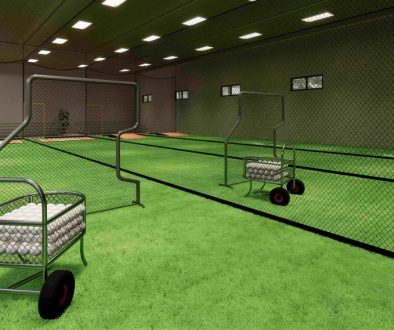
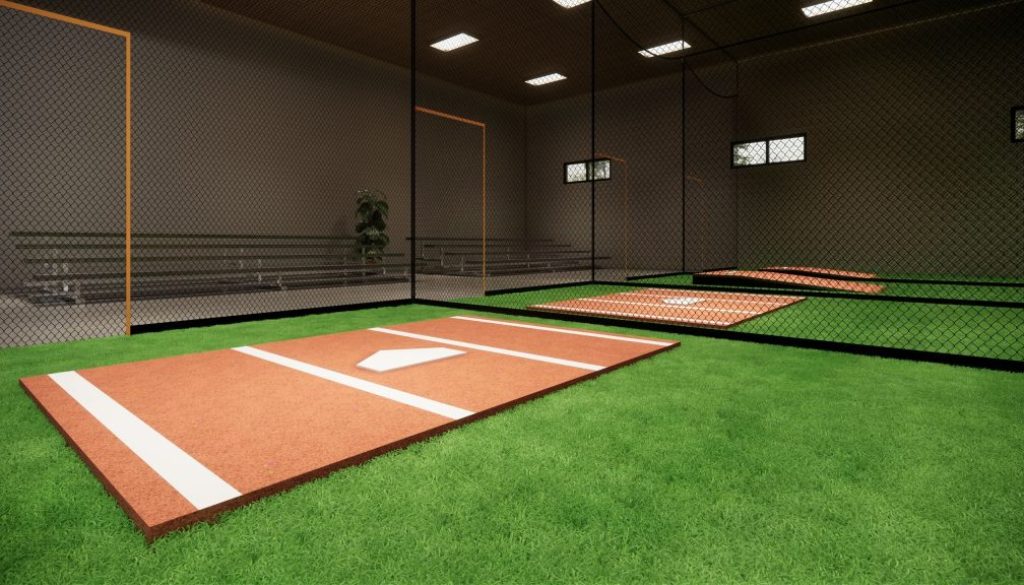
Starting An Indoor Batting Cage Business: What You Need to Know
Thinking about starting an indoor batting cage business? It can be a great way to serve your local baseball and softball community while turning your passion for the game into a business. But before you start looking at buildings or buying equipment, there are a few important things to figure out. Here’s where you should start.
1. Know Your Audience
Before you start looking for a building, think about who you want your facility to serve. Are you targeting younger players just learning the game, competitive high school athletes, travel teams, or players of all ages and skill levels? Your target audience will help determine where your facility should be located. Your location is the most important part of starting an indoor batting cage business. Most customers want a convenient place to practice, and many won’t want to drive more than 15 minutes for regular training or cage rentals. Start by researching where your potential customers live and look for a location that puts your facility within easy reach.
Once you have a general area in mind, start evaluating potential properties. Look for a tall ceiling height to add batting cages and pitching tunnels, as well as space for convenient parking and easy access. Before signing a lease, check zoning requirements, renovation costs, and whether the property can accommodate your plans. Taking the time to understand your audience and local market first can help you avoid investing in a location that makes it difficult to attract regular customers.
2. Plan Out Your Services & Space
With your target audience and location in mind, decide what kind of business you will want to run. Will you focus on cage rentals, private training, or a combination of services? Your business model will shape your equipment needs, pricing, and staffing. You might offer memberships or prepaid rental packages to encourage repeat visits, or add camps and clinics to bring in customers throughout the year.
When it comes to building out your space, you don’t have to do everything yourself. Some companies specialize in sports facility design and construction, and wholesale suppliers can help you source equipment like batting cage nets, pitching machines, protective screens, and turf. Compare vendors and ask about installation, warranties, and any ongoing maintenance costs.
3. Get Your Scheduling and Payments In Order
Running a batting cage facility involves more than just handling the cages themselves. You’ll also need to keep track of all reservations, payments, memberships, and customer information. At first, it might be manageable to do everything manually. However, as bookings pick up, it can quickly become a headache to juggle phone calls, spreadsheets, and separate tools. Facility management software can bring all of your tasks together. Look for a system that supports the way you will operate, including:
- Online scheduling so customers can reserve cages and book lessons
- Payments and billing for rentals, lessons, and packages
- Customer management to keep information organized and waivers easily accessible
- Reporting to understand how your business is performing
eSoft Planner helps sports facilities manage rentals, lessons, packages, payments, and more all in one system. Setting up an organized system before you open can make day-to-day operations easier and give you more time to focus on your customers.
4. Cover The Behind The Scenes Details
Before opening your doors, make sure you’ve addressed safety and legal responsibilities that come with running a sports facility. Talk with an insurance company about the coverage your business needs. If you’ll have independent instructors working at your facility, they may need their own policies and coverage for their activities. You’ll also want appropriate customer waivers, clear refund/cancellation policies, and procedures for different issues, such as weather closures or emergencies. An attorney can help you prepare waivers and other documents suited to your business and local requirements.
If you’re bringing on instructors, decide how you’ll handle scheduling and compensation. Will they be classified as employees or independent contractors? Will they clock in and out on an hourly schedule or be paid through commissions? Make sure your arrangements comply with applicable employment laws and that everyone understands their responsibilities. Planning these details before opening can help prevent confusion as your business grows.
5. Start Marketing Before You Open
You don’t have to wait until your facility is finished to start attracting customers. Build a website that explains your services, pricing, location, and booking process. Set up your Google Business Profile, and make sure your facility is easy for clients to find online.
Social media is a good way to introduce your business to the community. Share construction updates, highlight your instructors, post training tips, and announce when bookings open. Don’t overlook local connections, either. Reaching out to coaches, schools, travel teams, and youth sports organizations can help you get in front of potential customers before opening day.
Once you’re up and running, use email and social media to share updates about your services and promote special offers. You can also tailor your marketing to customers’ interests. For example, if someone indicates they’re interested in memberships when they sign up, send them relevant membership offers and updates rather than promoting services they may not need. Keep an eye on your bookings and revenue, too. If evenings are busy but weekday afternoons are quiet, you might have an opportunity to attract teams or offer additional training sessions during those slower hours.
Ready to Get Started?
Starting an indoor batting cage business takes planning, but you don’t have to figure everything out at once. Focus on finding the right location, understanding your customers, and putting the right systems in place before opening day.
As you plan your facility, don’t forget about the business behind the scenes. eSoft Planner helps sports facilities manage bookings, rentals, memberships, lessons, and payments in one place, so you can spend less time juggling administrative tasks and more time growing your business. Want to see how eSoft Planner can help you manage your new facility? Schedule a demo to learn more about how our software can support your business.